The Risk Just Got Real.
The DEI Injunction is Gone.
Last week, the 4th U.S. Circuit Court of Appeals vacated a preliminary injunction that had temporarily paused enforcement of two Executive Orders reshaping how discrimination and DEI-related compliance is enforced in the United States.
In plain terms: the guardrails just moved — and employers are now fully back in the enforcement landscape.
These Executive Orders aren’t new. But the court’s decision confirms something many HR leaders have sensed for months:
The era of loosely framed, intention-based people programs is over. Execution, documentation, and legal alignment now matter more than messaging.
What the Court Actually Said (And Why It Matters)
The appeals court ruled that the Executive Orders are not unconstitutional on their face, particularly because they focus on how the federal government allocates funding, contracts, and grants.
Importantly:
The court rejected broad “facial” challenges to the Orders
It emphasized that enforcement disputes should be evaluated case by case
It reaffirmed the government’s authority to condition funding on compliance with existing anti-discrimination law
Translation for employers:
You may still run people programs. But how those programs operate — and how they’re justified — is now the risk surface.
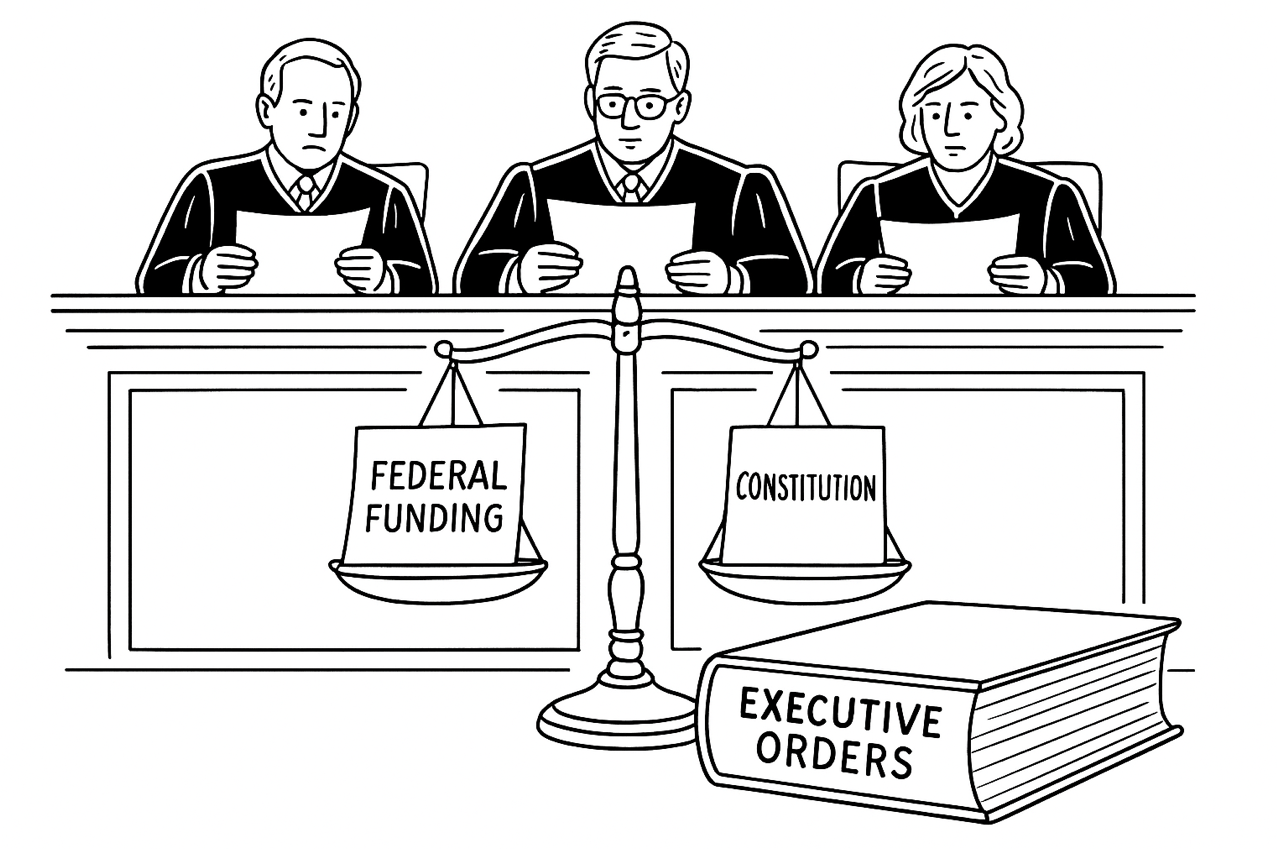
Legality, execution, and compliance now determine how workplace programs are evaluated, rather than intent or messaging alone
The Bigger Shift: Enforcement Has Changed
This ruling reinforces a broader and more consequential reality:
The EEOC’s enforcement posture has shifted.
Public statements and recent actions signal a move toward:
Scrutiny of race- and sex-based preferences
Challenges to quota systems or exclusionary practices
“Even-handed enforcement” of Title VII — regardless of who benefits or who is harmed
This is not hypothetical. It’s operational. Organizations that haven’t historically treated people programs as legal infrastructure?
That gap is now exposed.
Inclusion Isn’t Dead, But Sloppy Design Is
One of the most dangerous reactions we’re seeing is overcorrection.
Some leaders are pulling back entirely. Others are freezing initiatives out of fear. Both miss the point.
This moment doesn’t call for retreat.
It calls for discipline.
Organizations that continue to succeed will:
Anchor initiatives in skills, behavior, and performance
Frame programs around business outcomes, not social signaling
Apply standards consistently across the workforce
Document decision-making with clarity and intent
Equip managers to execute fairly — not interpret loosely
In short:
Inclusion must now be lawful, operational, and boring enough to hold up in court.

What HR Leaders Should Be Doing Right Now
If you’re responsible for people strategy, this is the moment to pause and ask a hard question:
If this program were audited, investigated, or litigated, could we clearly explain why it exists and how it operates?
Practically, that means revisiting:
Hiring and promotion criteria
Mentorship and sponsorship programs
Leadership development pipelines
Training language and learning objectives
Data collection and reporting practices
Not to dismantle them, but to tighten them.
The Real Opportunity
Periods like this create anxiety. They also create separation.
Organizations that treat people strategy as infrastructure — not ideology — will move faster, reduce risk, and build trust internally. Those that rely on good intentions and loose framing will struggle.
At PeopleCraft, this is where we spend our time:
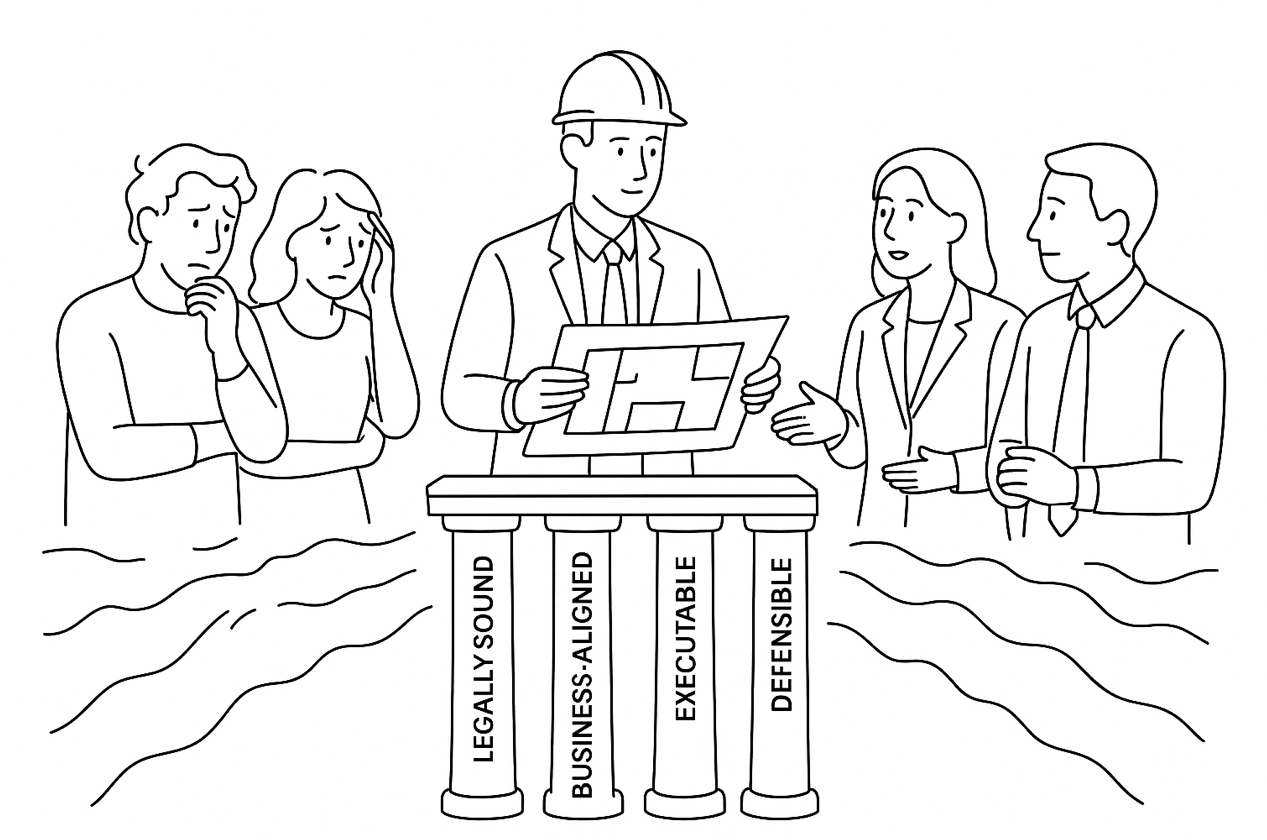
Helping leadership teams design people systems that are:
Legally sound
Business-aligned
Executable by managers
Defensible under scrutiny
Because the future of work isn’t about choosing sides.
It’s about building systems that work — even when the rules change.